Moving Beyond How a Home Looks
Wellness-focused interior design begins by looking beyond how a home photographs and asking how it needs to support daily life. It considers how a home feels throughout the day, how it responds to routines, and how it quietly influences stress, comfort, and connection over time.
Rather than prioritizing trends or visual impact alone, wellness-focused design looks at the lived experience of a home. The goal is not perfection or minimalism, but a sense of balance. A well-designed space should be both beautiful and functional, while also feeling comfortable, intuitive, and grounded.
What “Wellness-Focused” Actually Means
Wellness-focused interior design is not a style. It is a strategy rooted in how a home supports daily life.
At WellHaven Design, wellness is considered through the lens of everyday living. This includes how light enters a space in the morning, how rooms flow into one another, and how materials feel and age over time. Design decisions are made with intention and are guided by how a home is truly used.
This strategy recognizes that our environments shape our daily experience in subtle ways, supported by research on nature-based design and human well-being. When design aligns with how people live, a home naturally becomes a haven that feels calmer, more supportive, and easier to live in.
Learn more about our approach to wellness-focused interior design in St. Augustine and how it guides our work at WellHaven Design.
Designing for Daily Rhythms
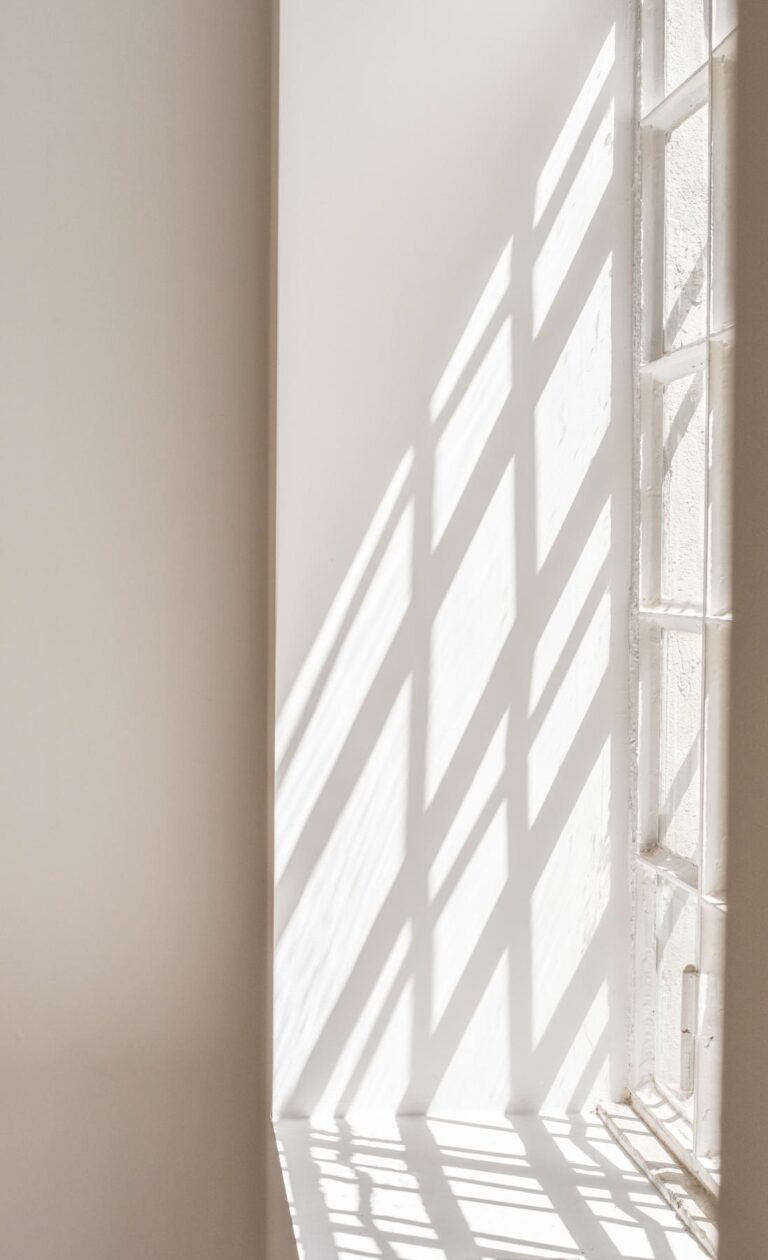
A wellness-focused home supports the natural rhythm of the day, from morning light to evening rest.
Morning light is considered differently than evening light. Spaces for focus are balanced with spaces for rest. Movement through the home feels intuitive rather than forced. These details may seem small, but over time they have a meaningful impact on how a space is experienced.
Thoughtful layout, appropriate scale, and a sense of flow all contribute to a home that feels easier to live in.
Material Choices That Feel Grounded
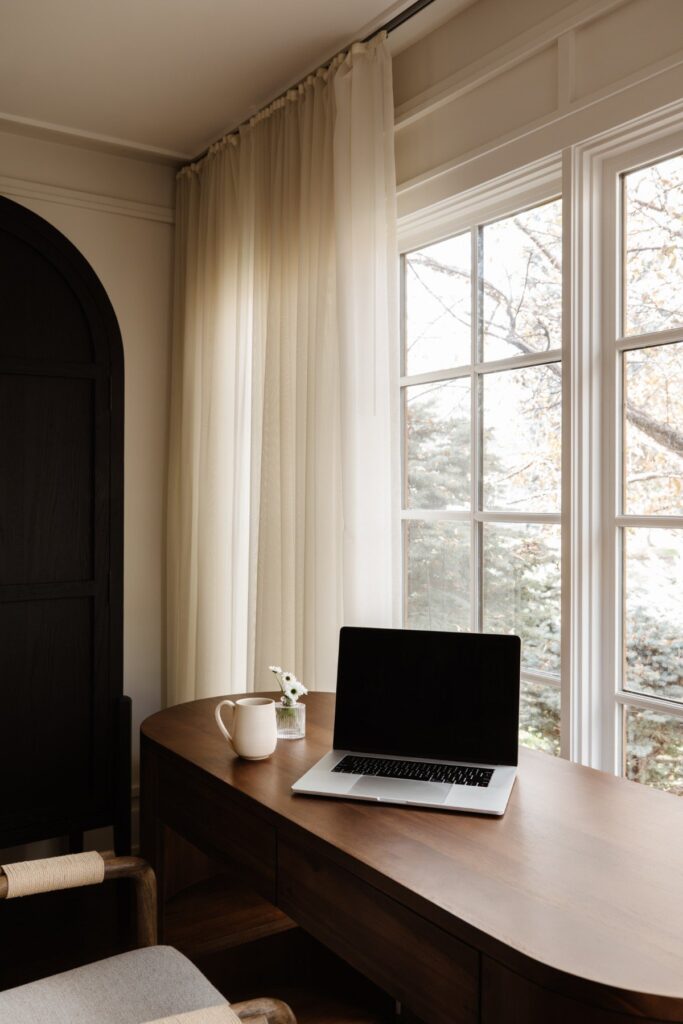
Materials play a quiet but powerful role in wellness-focused design.
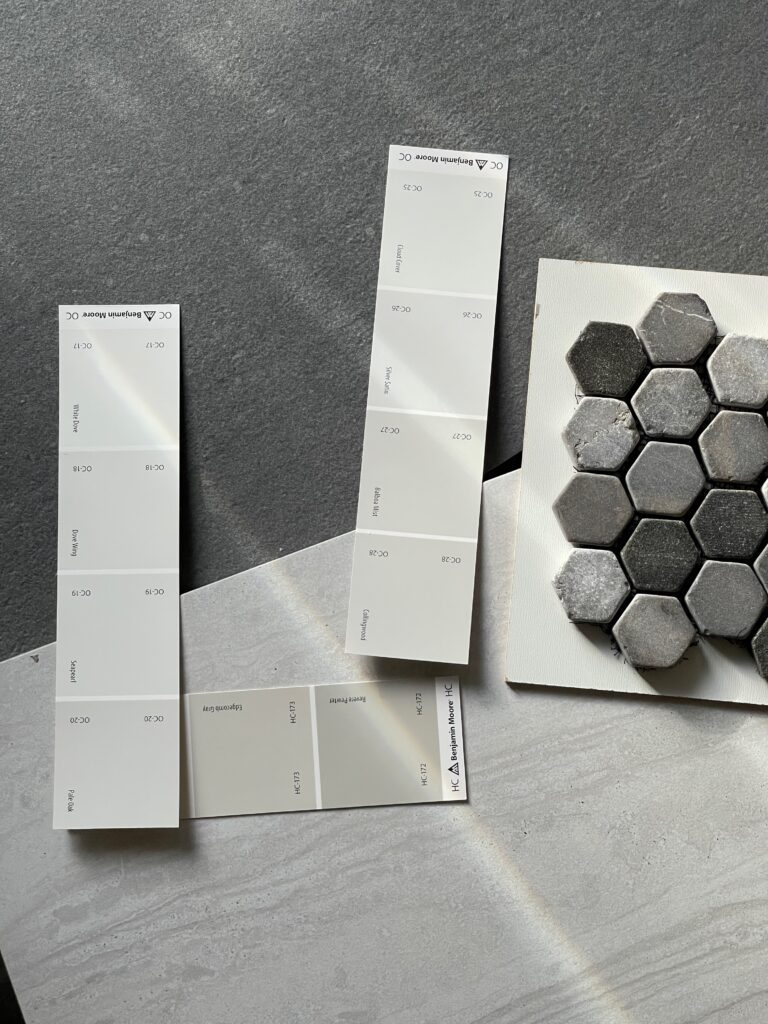
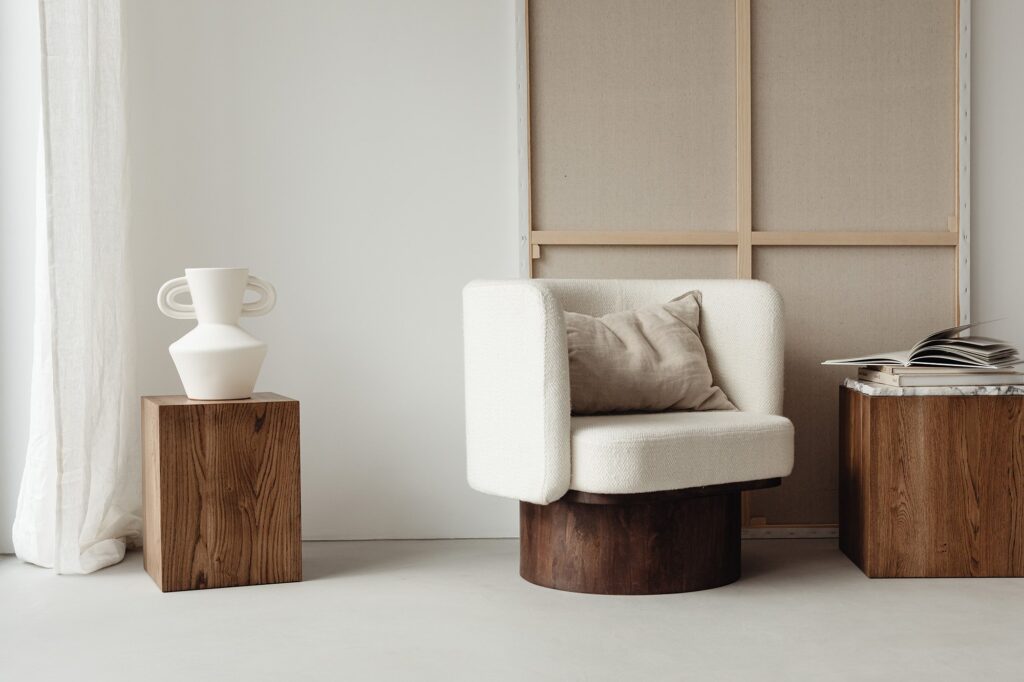
Natural textures, tactile surfaces, and finishes that age gracefully help create a sense of grounding and comfort. When making selections, the focus is on longevity and livability, choosing materials that feel good to touch, hold up over time, and contribute to a sense of calm.
With thoughtfully chosen materials, a home feels cohesive and settled.
The Role of Biophilic Design in Everyday Living
Biophilic design is a foundational element of wellness-focused interiors, though the term itself may be unfamiliar to many homeowners. At its core, biophilic design reflects the idea that people tend to feel better in spaces that maintain a connection to the natural world, an approach increasingly explored through biophilic design in residential interiors. Many people experience biophilic design without realizing there is a name for it.
Rather than focusing on decorative elements only, biophilic principles guide how interiors relate to light, texture, color, and spatial relationships. These connections help spaces feel balanced and restorative, often without being consciously noticed.
In everyday living, this might mean prioritizing views, creating smooth transitions between indoors and outdoors, or selecting palettes and textures inspired by the surrounding landscape. When integrated thoughtfully, biophilic design supports well-being without feeling decorative or forced.
Why This Approach Feels Different
Homes designed with wellness in mind often feel different immediately, though it can be difficult to pinpoint why.
They tend to feel calmer and more intuitive, even when fully lived in. This is because decisions are purposefully made with long-term comfort and livability in mind.
Wellness-focused interior design allows spaces to support the people who live there, beautifully.
Is Wellness-Focused Interior Design Right for You?
This approach resonates most with homeowners who value calm, clarity, and thoughtful decision-making. It appeals to those who prefer timeless design over trends and who want their home to support daily routines rather than compete with them.
Wellness-focused design is not about creating a statement home. It is about shaping a well-designed home that feels grounded, livable, and aligned with how life is actually lived.
Thoughtful Design Starts with Understanding
At WellHaven Design, wellness-focused interior design begins with listening. Understanding how clients live, what they value, and how their home needs to support them is at the heart of the process.
Our work is shaped by a thoughtful, client-centered approach to interior design, grounded in listening and understanding how our clients live.
When design is rooted in intention, a home becomes more than a collection of rooms. It becomes a place that quietly supports well-being, connection, and ease in everyday life.