Biophilic design is a term that appears frequently in conversations about wellness and interiors, yet it is often used without much explanation. In reality, beyond the buzzword, biophilic design in residential interiors is less about what is added to a space and more about how a home is shaped to support a natural sense of balance and ease.
For some, it suggests greenery or natural finishes. For others, it feels like another design trend layered onto an already crowded landscape. When approached thoughtfully, it becomes a quiet extension of wellness-focused interior design rather than a standalone idea.
What Biophilic Design Really Refers To
At its core, biophilic design reflects the idea that people tend to feel more at ease in environments that maintain a connection to the natural world, an approach often described through biophilic design in residential interiors. This connection may be physical, visual, or implied through light, materiality, and spatial relationships.
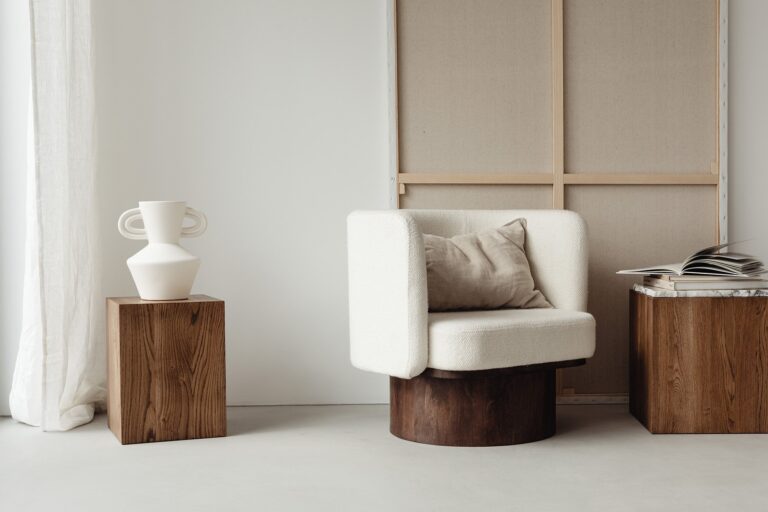
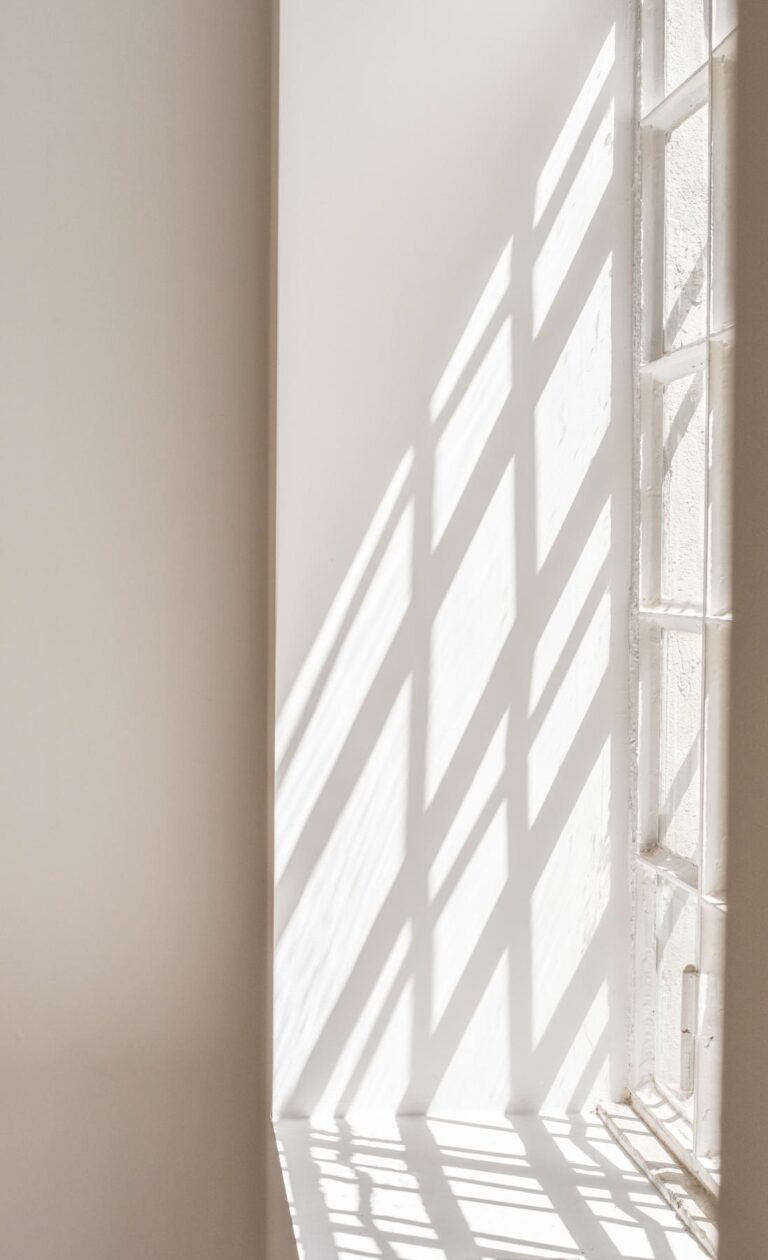
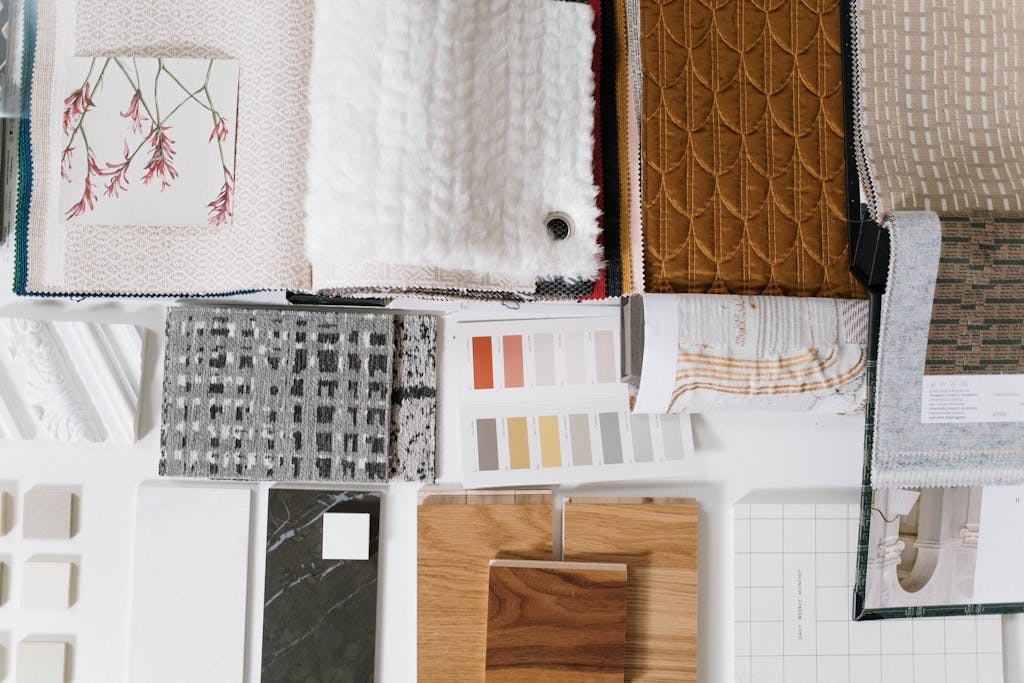
In residential interiors, biophilic design often shows up through how daylight moves through a home, how materials respond to touch and time, and how spaces relate to one another. Many people experience these qualities intuitively, without realizing there is a name for them.

Designing With Nature, Not Decorating With It
There is an important distinction between decorating with natural elements and designing with biophilic principles in mind.
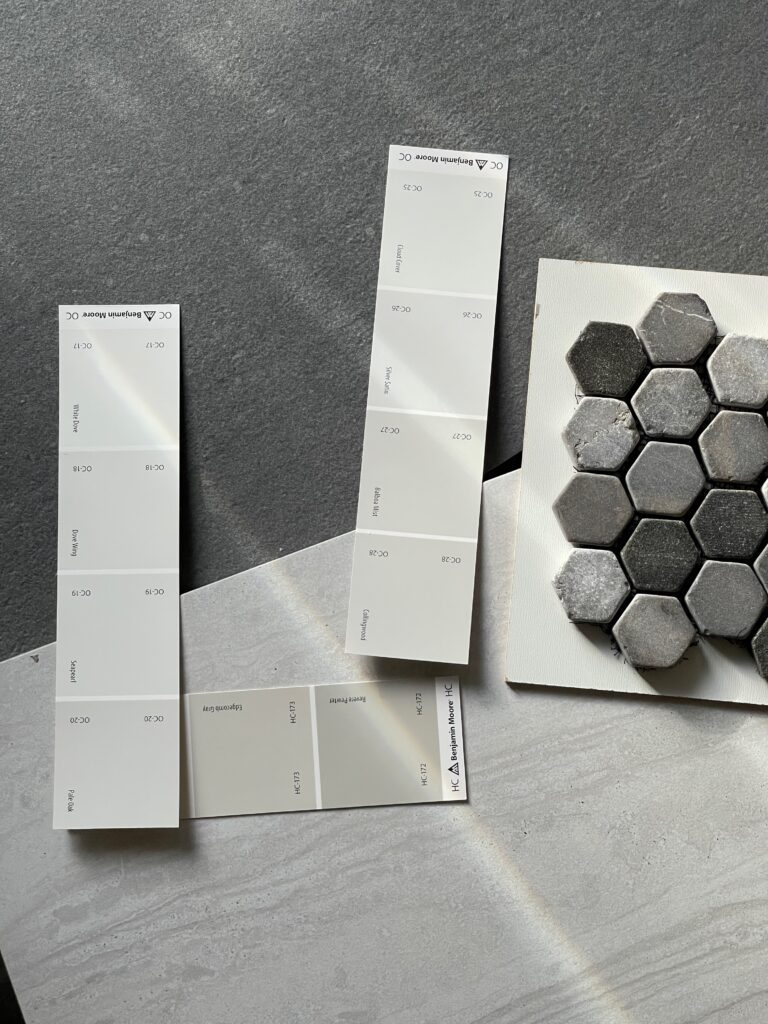
Decorating is often additive. Biophilic design is integrative. It influences decisions early in the process, shaping how a home is oriented, how light is considered, and how materials are selected in relation to daily living.
When these principles are integrated from the beginning, they rarely stand out as a feature. Instead, they contribute to a sense of calm and coherence that feels natural rather than styled.
Learn more about our approach to biophilic interior design in St. Augustine and how it guides our work at WellHaven Design.
How Biophilic Design Supports Everyday Living
In everyday life, the impact of biophilic design is subtle but consistent. Homes shaped by these principles may feel less visually demanding, more intuitive to move through, and more comfortable over time.
Light may feel softer. Transitions may feel easier. Materials may feel grounding rather than overstimulating. Together, these details support daily routines without asking for attention.
Biophilic Design Within a Wellness-Focused Approach
Biophilic design is most effective when it is understood as one layer within a broader wellness-focused strategy.
On its own, it is not a complete approach to interior design. When integrated thoughtfully, it works alongside considerations like rhythm, flow, comfort, and longevity to support homes that feel balanced and aligned with how people live.
When Biophilic Design Feels Most Successful
Biophilic design feels most successful when it doesn’t call attention to itself.
When home feels calm without feeling sparse, materials feel appropriate rather than precious, and connections to light and surroundings feel natural rather than staged. In these moments, biophilic principles are doing their work quietly.
When approached with intention, biophilic design moves beyond terminology. It becomes part of how a home supports well-being through thoughtful, enduring design decisions.