Once wellness-focused interior design is understood as a strategy rather than a style, the question becomes how wellness-focused interiors are incorporated into everyday life. Often, it’s felt through the rhythm of a space, the materials chosen, and the subtle ways a home connects to its surroundings. These details may not always be obvious, but they shape how a home is experienced day after day.
Designing for Daily Rhythms
A wellness-focused home supports the natural rhythm of the day, from morning light to evening rest.
Morning light is considered differently than evening light. Spaces for focus are balanced with spaces for rest. Movement through the home feels intuitive rather than forced. These details may seem small, but over time they have a meaningful impact on how a space is experienced.
Thoughtful layout, appropriate scale, and a sense of flow all contribute to a home that feels easier to live in.
Material Choices That Feel Grounded
Materials play a quiet but powerful role in wellness-focused design.
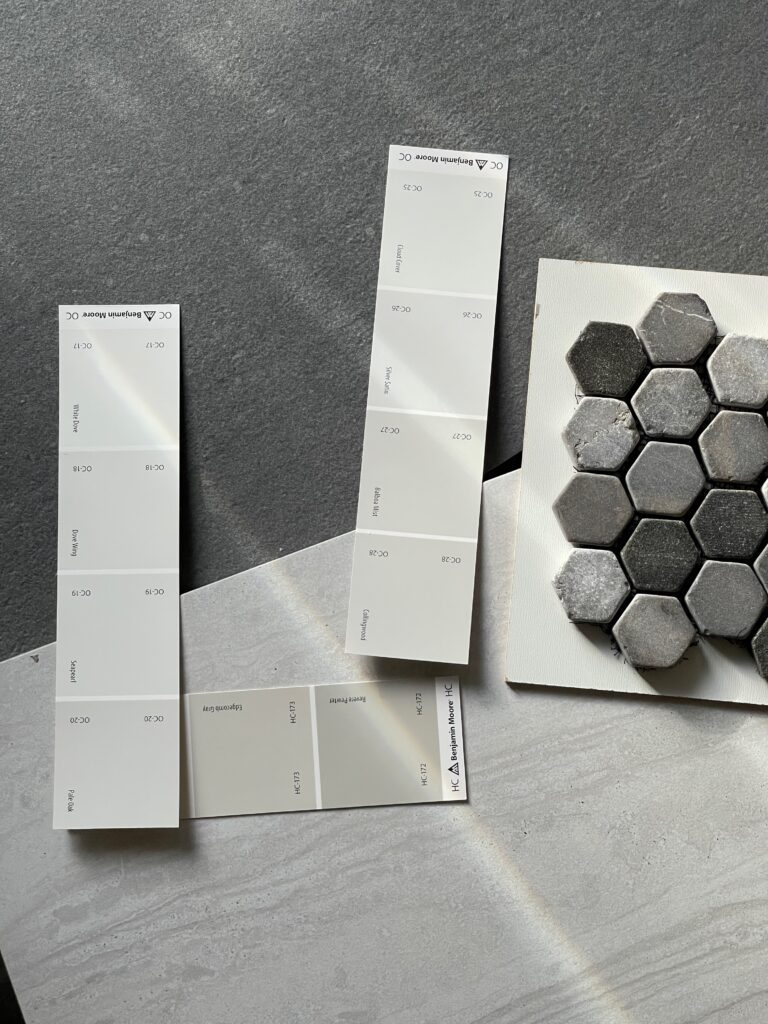
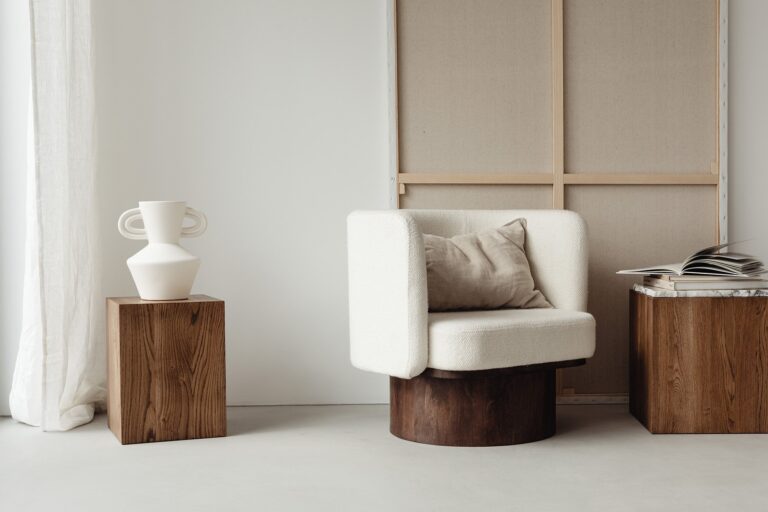
Natural textures, tactile surfaces, and finishes that age gracefully help create a sense of grounding and comfort. When making selections, the focus is on longevity and livability, choosing materials that feel good to touch, hold up over time, and contribute to a sense of calm.
With thoughtfully chosen materials, a home feels cohesive and settled.
The Role of Biophilic Design in Everyday Living
Biophilic design is a foundational element of wellness-focused interiors, though the term itself may be unfamiliar to many homeowners. At its core, biophilic design reflects the idea that people tend to feel better in spaces that maintain a connection to the natural world. Many people experience biophilic design without realizing there is a name for it.
Rather than focusing on decorative elements only, biophilic principles guide how interiors relate to light, texture, color, and spatial relationships. These connections help spaces feel balanced and restorative, often without being consciously noticed.
In everyday living, this might mean prioritizing views, creating smooth transitions between indoors and outdoors, or selecting palettes and textures inspired by the surrounding landscape. When integrated thoughtfully, biophilic design supports well-being without feeling decorative or forced.
Learn more about our approach to wellness-focused interior design in St. Augustine and how it guides our work at WellHaven Design.